In the process of laying new floors, majority of homeowners lay emphasis on designs, prices, and durability, yet an important process that can hardly be given a second thought is acclimation of the floors. Failure to go through this process may cause warping, gaps and long term damages. Knowing the importance of acclimation would help you to avoid expensive repairs and have your flooring last you several years.
Flooring Acclimation What is That?
The process of having flooring materials, in particular the wood, laminate, and vinyl, to adapt to temperature and humidity of the installation environment and then installing it is called flooring acclimation.
These are materials that swell and shrink by nature depending on the moisture content. When installed without acclimatization, they can move once they are installed resulting into visible and structural problems.
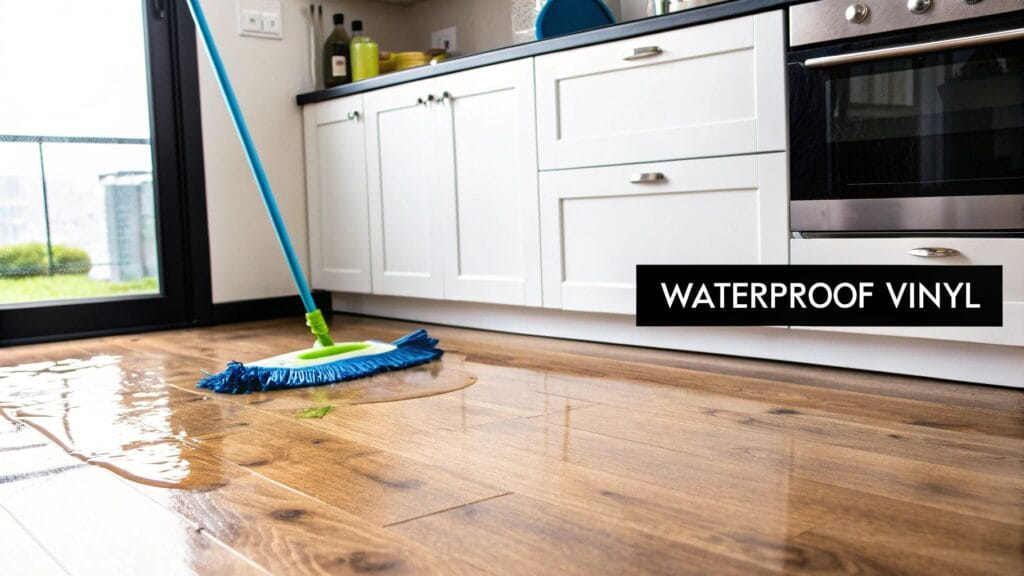
The Reason Flooring Should be Acclimated
Various floor substances have dissimilar responses to the surrounding:
- Hard wood flooring takes in moisture and swells.
- Laminate flooring responds to changes in humidity.
- Engineered wood is more stable and yet requires adjustment.
- Flooring made of vinyl is able to swell when the temperature is high.
Acclimation stabilizes the material to achieve the desired moisture content before it is installed and avoid any undesired movement in future.
Ordinary Problems In the Absence of Acclimatisation
Failure to perform acclimation may cause significant problems with floors:
Warping and Buckling
Flooring expands after it has been installed and may lift or bend resulting in uneven surfaces.
Gaps Between Planks
When floors dry up, observable cracks between boards can develop.
Cupping and Crowning
Water imbalance may result in edges being lifted up (cupping) or centers coming up (crowning).
Adhesive Failure
In the case of glued floors, when the acclimation is not done properly, bonding becomes weak and the planks tend to loosen.
The effect of Acclimation in the Prevention of Damage in Future
Environmental stress is prevented by proper acclimation.
- Before installation stabilizes the moisture content.
- Minimizes risks of expansion and contraction.
- Enhances long term durability.
- Has visual appeal and consistency.
You do this by making flooring to carry out a change prior to occurrence and then the structural damage prevents sudden changes.
Recommended Acclimation Time
The time required varies by material:
| Flooring Type | Recommended Acclimation Time |
| Hardwood | 3–7 days |
| Engineered Wood | 2–3 days |
| Laminate | 48–72 hours |
| Vinyl (LVP/LVT) | 24–48 hours |
It is best to obey the instructions on the packaging since certain products can possess some requirement.
Flooring Acclimation Best Practices
To do the acclimation correctly, take the following steps:
- Have flooring in room to be installed.
- Keep the temperature indoors 60-80degF (15-27degC)
- Check the humidity level (30-60) is maintained.
- Store boxes and slightly open containers.
- Flooring should not be placed on concrete and spacers should be used when required.
When Acclimation Matters the Most
The acclimation will be essential in the regions subject to changing weather conditions, like:
- High humidity coastal areas.
- Regions that have variable seasons.
- Houses having HVAC systems, which influence indoor climate.
In such environments, the acclimation should not be overlooked because the threat of harm is very high.
For professional guidance on proper flooring installation and acclimation, trust LFC Texas to deliver expert solutions that prevent costly damage. Their experienced team ensures every project meets high standards, helping homeowners achieve durable, long-lasting floors with confidence and precision.
Conclusion
Flooring acclimation is not merely an option but it is a necessary measure that will save your investment. Giving your flooring materials time to acclimatize to their surroundings prior to installation will save you problems that would arise in the future such as warping, gaps and structural damage.
Allowing some additional days to allow a decent acclimatization may well be the difference between a perfect floor and addition of expenses to the budget in the future.